Family-owned & operated since 2000
Free estimates  ·  (859) 621-7847

The pet smell keeps coming back. Here's why.

You cleaned the spot. It looked fine. Then the first muggy Kentucky afternoon rolled around and the room smelled like a dog again. That's not you doing it wrong — it's the difference between the stain and what's actually causing the smell. Below: what's really down there, what to try yourself, and when it's worth calling us. (859) 621-RUGS.

Start Here

Pet odor diagnostic

Five questions about what you're dealing with. Some answers end in "call us." Some end in "don't — here's what to do tonight instead."

ODOR DIAGNOSTIC

No email, no form, no price. Just an honest read on what you've got.

General guidance from 25 years of pet jobs — not a substitute for looking at it in person, and not veterinary advice.

The Actual Problem

The stain and the smell are two different things

Almost everything frustrating about pet odor comes from treating them as one.

When a pet urinates on carpet, the liquid carries the color and the liquid is what you see. What's left behind after it dries is different: uric-acid crystals, bonded to the carpet fibers. They don't rinse away with water, and they don't care about the perfume in a spray bottle. They just sit there.

Then the weather changes. Humidity gets into those crystals, and the smell releases all over again — which is exactly why a spot you cleaned in April announces itself in July. Central Kentucky summers are practically designed to find every pet spot in a house.

That's what an enzyme treatment is for. Enzymes digest the crystals rather than covering them up, so there's nothing left to reactivate. It's also why enzymes need time — they're doing biological work, not chemical erasing. Rushing them is the most common reason a well-intentioned home treatment doesn't hold.

And a deep, long-soaked spot can need a second application. We'd rather say that up front than pretend one pass is guaranteed.

Setting One Thing Straight

"Doesn't steam cleaning set the urine?"

We get asked this a lot, usually by someone who read it online and is now nervous about calling anyone.

Here's the honest version: heat applied to untreated urine can make a stain harder to remove. That part is true, and it's why running a hot rental machine straight over an old spot often makes things worse instead of better.

But that's a question of order, not of method. On a pet job the enzymes go down first and get their working time. Only then does the hot water extraction come through — flushing the digested crystals, the treatment, and the contamination up and out of the carpet, followed by a pH-balanced rinse so nothing sticky stays behind.

Enzymes first, heat second. That's the whole trick, and it's why pre-treating is step three of our method and extraction is step four.

Do It Yourself, Properly

One fresh accident? You don't need us.

This is what we'd tell you on the phone if you called about a single spot from this morning.

1

Blot hard, don't scrub

White towels, standing on them if you have to. Scrubbing spreads urine sideways and frays the pile — you want to lift it straight up. Keep going with dry towels until they come up mostly dry.

2

Skip the hot machine for now

Heat on untreated urine works against you. Enzymes go first, every time.

3

Use enough enzyme cleaner

The urine went deeper and wider than the visible ring — your treatment has to reach as far as the pee did. A polite little spritz treats the top of the fiber and nothing else.

4

Give it real time

Enzymes work while they're damp. Follow the label, and lean toward longer for anything that isn't brand new. Covering the spot to slow evaporation helps.

5

Don't stack products

Vinegar, peroxide, and store sprays layered on top of an enzyme can interfere with it. Pick one approach and let it finish.

6

Wait for a humid day

That's your test. If the smell shows up again when the air gets heavy, the urine went deeper than a surface treatment can reach — that's the point where calling us is worth it.

How Deep It Went

Carpet is layers — and that decides everything

How far the urine traveled is the difference between a routine job and a harder conversation.

Face fiberWe reach this

The part you see and walk on. Most single accidents that got blotted quickly never make it past here.

BackingWe reach this

The woven base the fibers are stitched into. Urine spreads sideways here, which is why the smelly area is usually bigger than the visible stain.

PadSometimes

The foam cushion underneath, and a sponge by design. A lightly affected pad can be treated and flushed. One that's been soaked repeatedly over months or years usually can't be cleaned back to neutral, and replacing that section of pad is the honest answer.

SubfloorBeyond cleaning

Wood or concrete under the pad. If urine reached it in quantity, cleaning the carpet won't end the smell. It needs sealing or repair — that's a flooring job, not a carpet-cleaning job, and we'll tell you so instead of taking the work.

Tack strip & edgesBeyond cleaning

The wood strip around the perimeter is a favorite target for male dogs and cats. Saturated strip along a wall is the one place where a great cleaning still leaves you smelling something.

We can't see through carpet any better than you can. What we can do is check the affected spots before we start and tell you which layer we think we're dealing with — before anybody commits to anything.

Straight About Scope

What our pet treatment does and doesn't do

The same list we go through standing in your living room.

This we handle

  • Odor at the source — enzymes digest the uric-acid crystals rather than masking them
  • Urine in the face fiber and the backing, flushed out with 230°F extraction
  • The visible stain, in most cases, treated for its own sake
  • A straight read on how deep it went, spot by spot, before anyone commits to anything
  • General soil, dander, and allergens that came along with living with animals
  • A second application on deep spots, discussed with you before we start

This we won't promise

  • A pad soaked repeatedly for months or years — that's usually replacement, not cleaning
  • Urine that reached the subfloor in quantity — sealing or repair, and it isn't us
  • Saturated tack strip along a wall
  • Color loss where urine bleached the dye out of the fiber — the stain is gone, the color didn't come back with it
  • Keeping the smell away while accidents are still happening
  • Any promise that one pass is guaranteed on a spot that's been building for years

You'll hear the right-hand column at the door, not after the invoice. Talking someone into a cleaning that was never going to fix their problem is how you get one job and no second call.

On The Job

What this looks like in a real house

Two vans, two Hayeses, and a truck-mounted rig that heats water to 230°F.

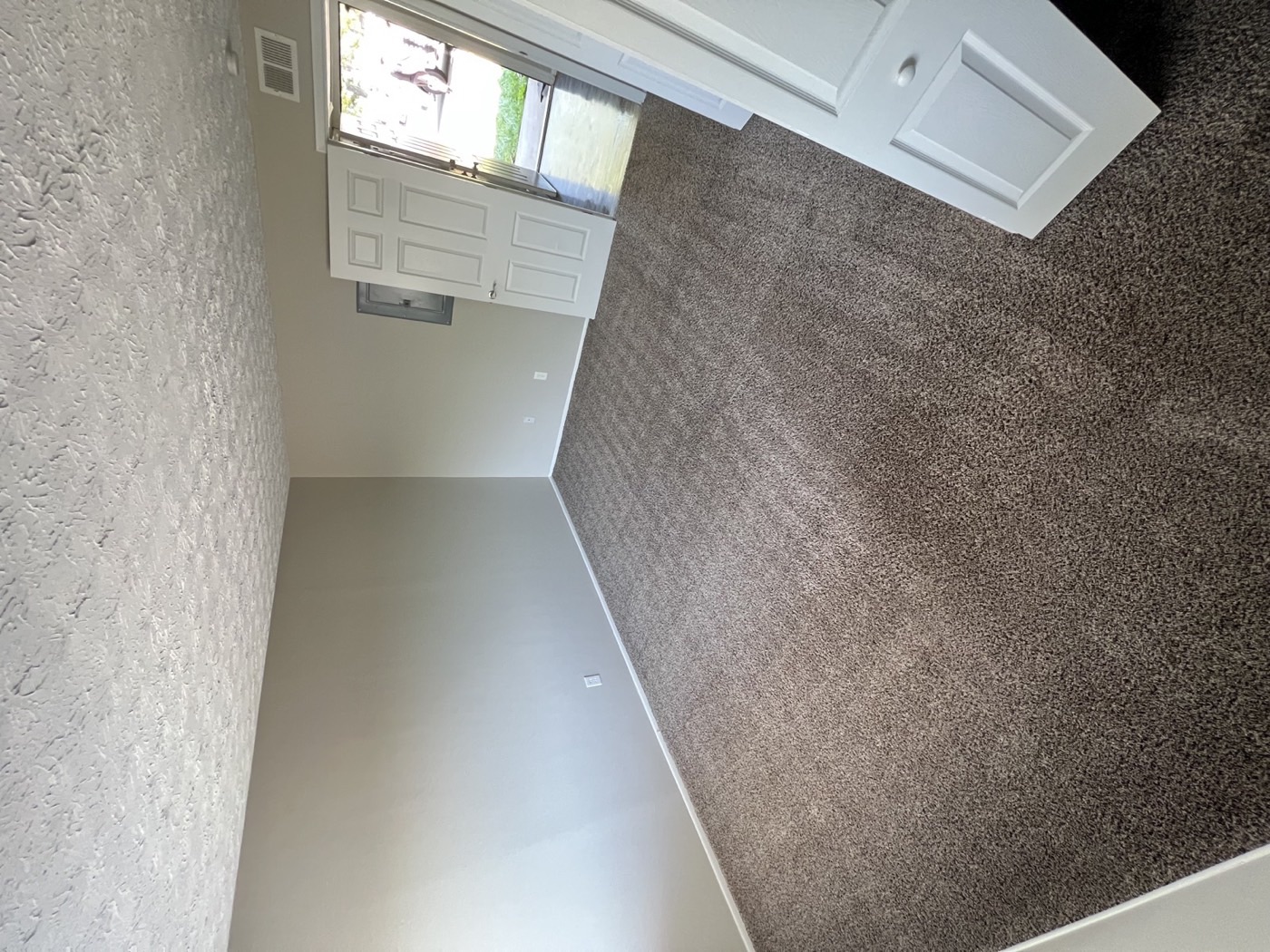
A rental living room with freshly cleaned carpet
A rental unit, after
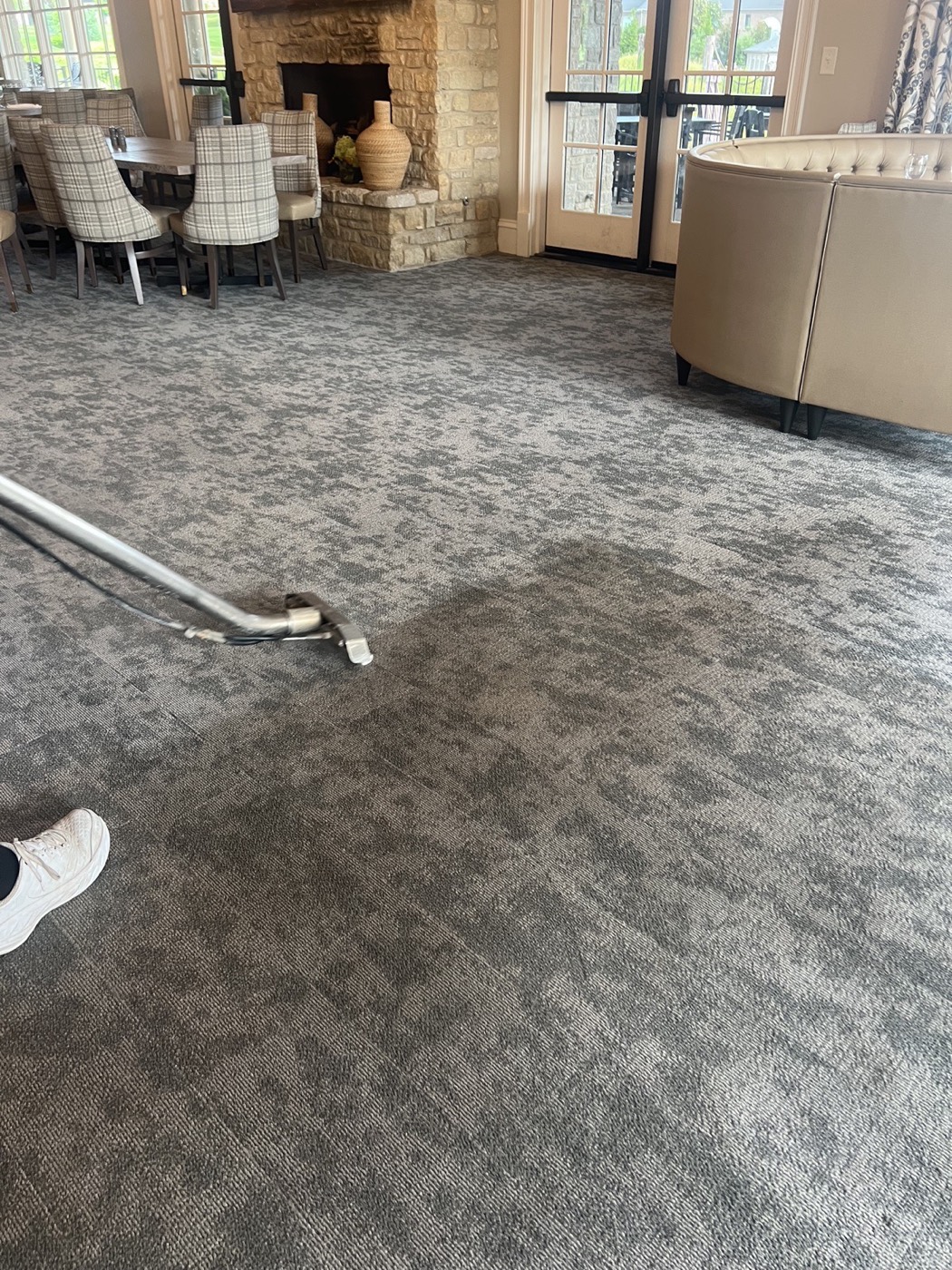
Running the extraction wand across a large room
The wand does the work
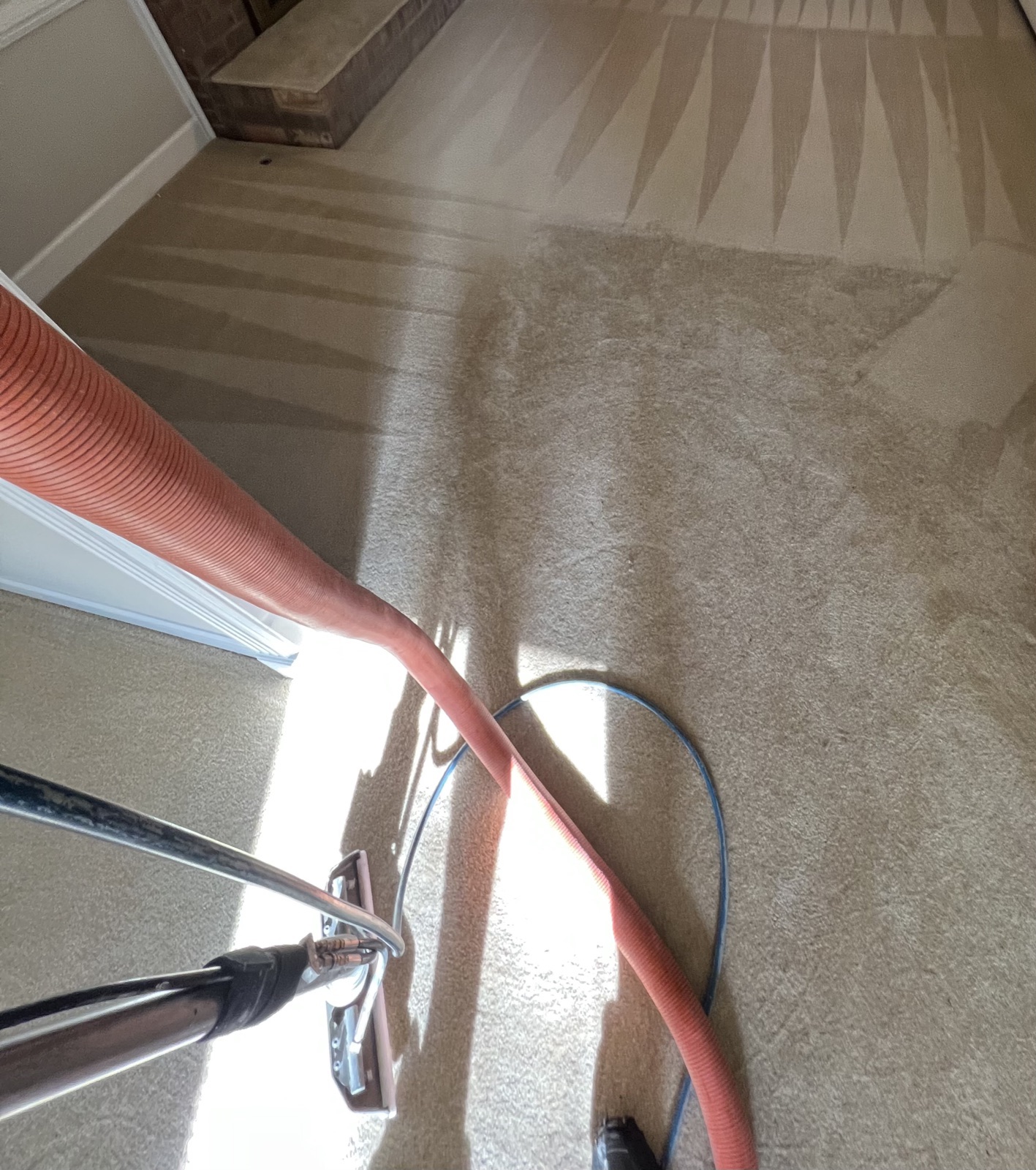
Fresh wand strokes appearing on a cream carpet mid-clean
Fresh strokes, mid-job

A landlord once called us about a unit two cats had lived in, expecting to re-carpet the whole place. The carpet stayed and the unit was listed that same week — that one's written up on our case studies page.

Straight Answers

Pet odor questions

General cleaning questions live on the FAQ page.

Why does the smell come back after I clean it?

Because the stain and the smell are two different problems. Urine leaves uric-acid crystals bonded to the fibers; ordinary cleaners lift the visible stain and leave the crystals sitting there. Humidity reactivates them, which is why the smell peaks on a muggy day. Enzymes digest the crystals instead of covering them.

Does steam cleaning set pet urine?

Heat on untreated urine can make a stain harder to remove — that's the grain of truth in it. It's about order, not method: enzymes go down first and get their working time, then the hot water extraction flushes everything out. Enzymes first, heat second.

Can you get the odor out completely?

In almost all cases, yes. Deep, long-soaked spots can need a second application, and we'll say so before we start. If urine soaked through into the pad and subfloor, cleaning the carpet alone may not end it — that's a conversation we'd rather have at the door than after you've paid us.

Should I try an enzyme cleaner myself first?

For one fresh accident, absolutely. Blot hard, apply enough enzyme cleaner to reach as deep as the urine did, and let it stay damp while it works. Don't scrub and don't run a hot machine over it untreated. If the smell returns on the next humid day, you've learned something useful: it went deeper than a surface product reaches.

My pet is still having accidents. Should I wait?

Cleaning genuinely helps, because animals return to spots they can still smell — removing the source helps break the loop. But it isn't a fix by itself. And if a house-trained pet suddenly starts having accidents, that's worth a call to your vet first. We're carpet cleaners, not veterinarians, and we'd rather you fix the cause than pay us twice.

How do I find spots I can't see?

A UV flashlight in a fully dark room is the cheap trick — dried urine glows dull under it. Map the spots with a bit of painter's tape before anyone comes out. Fair warning: most people find more than they expected, and the smelly area is usually wider than the visible mark because urine spreads sideways in the backing.

Is it safe around my animals?

The solutions we use are safe for children and pets once the carpet is dry, and we rinse thoroughly so there's no sticky residue. Figure 6–12 hours to dry completely, 2–6 to dry to the touch with air moving. Keep pets out of the treated rooms until then.

How often should a house with pets be cleaned?

Every 6–12 months for homes with pets, kids, or allergy concerns — compared with 12–18 months for a typical household. Regular cleaning also keeps small accidents from quietly becoming the kind of job described further up this page.
Smelled it again this week?

Tell us what you're dealing with and we'll tell you honestly whether it's our job — free estimate, and a real person answers.

Call (859) 621-7847
Tap to Call — Free Quote